Stress & Tension?
Your Body
Is Keeping Score.
Massage · Acupuncture · Chiropractic · 5 Clinics
Stress doesn't just live in your mind — it lives in your body. Tight shoulders, a locked jaw, headaches, shallow breathing and a stiff neck are all ways your nervous system responds to sustained pressure. At WYLD, our massage therapists, acupuncturists and chiropractors work together to address the physical toll of stress across 5 Auckland clinics.


Your Tension.
We Can Feel It.
The muscles of the neck, shoulders and upper back are among the first to respond to stress. The trapezius tightens. The jaw clenches. The suboccipital muscles lock down. Over weeks and months, this sustained tension produces real, measurable changes in your spine and nervous system — and real pain.
Massage therapy is the most direct way to address muscular tension — releasing the tight muscles, improving circulation and signalling the nervous system to downregulate. At WYLD, massage is often combined with chiropractic care to address the spinal joint stiffness that accompanies chronic tension, and acupuncture for deeper nervous system regulation.
At WYLD, the combination of massage therapy, chiropractic care and acupuncture creates a powerful approach to stress-related tension — addressing the muscles, the joints and the nervous system all under one roof.
Book a Chiropractic AssessmentHow Stress Affects Your Body
Stress manifests physically in predictable patterns. These are the most common stress-related presentations our massage therapists and chiropractors see.
Neck & Shoulder Tension
The upper trapezius, levator scapulae and suboccipital muscles are the body's primary stress responders. Chronic tightness here produces pain, restricted movement and a heavy, weighted feeling across the shoulders. Deep tissue massage and chiropractic cervical adjustment commonly address this together.
Tension Headaches
A band-like pressure around the head — the most common headache type worldwide. Driven by sustained muscular tension in the neck, jaw and upper shoulders. Regular massage and chiropractic care commonly work together to break the tension-headache cycle.
Jaw Clenching & TMJ
Stress drives clenching and grinding — often unconsciously during sleep. This produces tension through the jaw, temples and upper neck. TMJ dysfunction contributes to headaches, ear pain and facial tension. Massage, chiropractic and acupuncture all commonly address this presentation.
Sleep Disruption
Stress activates the sympathetic nervous system — making it harder to fall asleep and reducing sleep quality. Poor sleep increases pain sensitivity and muscular tension, creating a cycle. Acupuncture may support nervous system regulation, and massage therapy before bed can promote deeper rest.
Shallow Breathing & Rib Tension
When stressed, breathing becomes shallow and the accessory respiratory muscles in the neck and upper chest overwork. This produces thoracic stiffness, rib restriction and a constant feeling of chest tightness. Chiropractic thoracic and rib mobilisation can help restore normal breathing mechanics.
Burnout & Chronic Fatigue
Prolonged stress depletes the body's resources — producing muscular pain, brain fog, low energy and reduced resilience to physical demands. Many of our patients present with overlapping physical symptoms that have a stress component. A multi-disciplinary approach addresses the body as a whole.

Massage. Acupuncture.
Chiropractic.
Stress-related tension responds best to a combination approach. Massage releases the muscles. Chiropractic addresses the joints. Acupuncture regulates the nervous system. Together, they create lasting change.
Massage Therapy — The frontline for stress-related tension. Deep tissue, Swedish, face/head/neck and remedial massage directly address the muscular guarding, trigger points and restricted circulation that stress creates. WYLD offers 30, 60, 90 and 120-minute massage sessions across all 5 clinics.
Acupuncture — Our acupuncturists commonly work with patients presenting with stress, anxiety, insomnia and chronic muscular tension. Acupuncture may support nervous system downregulation, pain modulation and improved sleep quality. A deeply restful experience for many patients.
Chiropractic — Chronic tension changes the way your spine moves. Our chiropractors assess the cervical and thoracic spine for the joint restriction and postural dysfunction that accompany stress. Spinal adjustment aims to restore movement and reduce the spinal contribution to headaches, neck pain and upper back tension.
What to Expect
A thorough assessment of your body's stress patterns — because understanding where you hold tension is everything.

Your Story
Your practitioner takes a detailed history — understanding your stress levels, sleep quality, pain patterns, lifestyle, work demands and what your body is telling you.

Deep Tissue Massage
A hands-on examination including range of motion testing, orthopaedic tests, neurological screening and spinal palpation to identify areas of restricted movement.

Your Plan
Your practitioner explains what they've found and recommends the best combination of services for your presentation — whether massage, chiropractic, acupuncture or a combination of all three.

Your First Session
Care begins at your first visit — whether that's a massage to release tension, a chiropractic adjustment to mobilise your spine, or an acupuncture session to calm your nervous system. Many patients combine services.

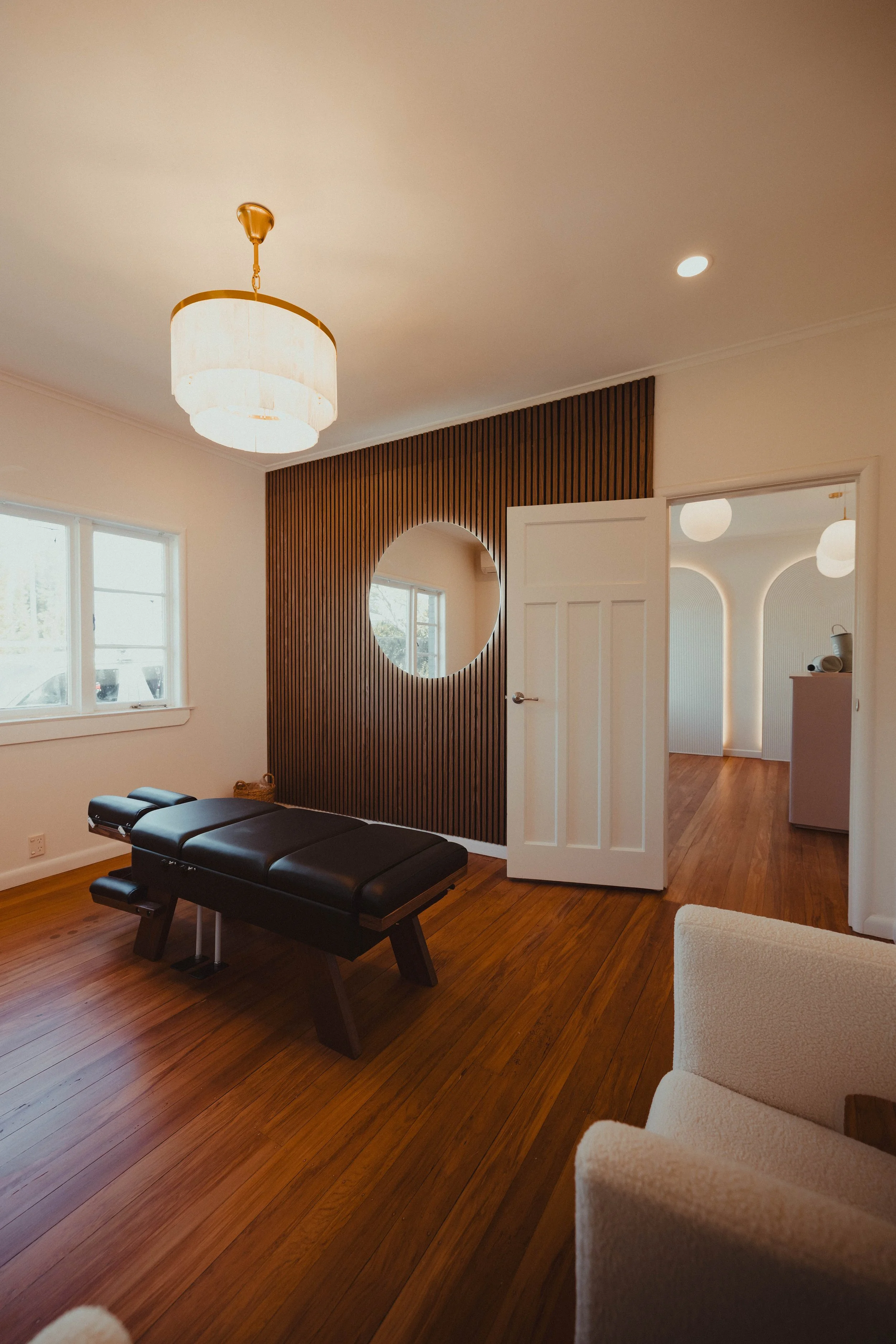

All Under One Roof.
Every Therapy You Need.
WYLD offers massage, acupuncture and chiropractic all under one roof — no need to visit multiple clinics. Book one service or combine them. Southern Cross health insurance covers chiropractic, physiotherapy and acupuncture at WYLD.
If your pain is the result of a workplace injury or incident, ACC may also cover your chiropractic care. Our practitioners can lodge ACC claims in-house — no GP referral required.
WYLD is also recognised by Southern Cross health insurance for chiropractic, physiotherapy and acupuncture.
Book Your Chiropractic Assessment
Select your nearest clinic to book online. New patients welcome. Mention your main concern when booking — our reception team can recommend the best service for you.
Stress & Tension FAQ
Yes. Therapeutic massage directly addresses the muscular tension that stress creates — releasing tight muscles, improving circulation and signalling the nervous system to downregulate. Regular massage can help break the tension-pain cycle. WYLD offers deep tissue, Swedish, face/head/neck, and remedial massage across all 5 clinics.
Chronic stress changes the way your spine moves — producing joint stiffness, particularly in the cervical and thoracic regions. Our chiropractors assess these areas and use spinal adjustment to restore movement. Many patients who present with neck pain, upper back tension and headaches have a significant stress component.
It depends on your preference and presentation. Deep tissue massage addresses chronic muscular tension. Swedish massage is deeply relaxing and promotes nervous system downregulation. Face, head and neck massage targets the areas most commonly affected by stress. Our massage therapists can recommend the best approach at your appointment.
Our acupuncturists commonly work with patients presenting with stress, anxiety, insomnia and chronic tension. Acupuncture may support nervous system regulation and promote a sense of calm. Many patients describe acupuncture as one of the most restful experiences of their lives.
Absolutely — this is one of WYLD's great strengths. Many patients book a chiropractic adjustment to address spinal joint stiffness followed by a massage to release muscular tension. Both therapies complement each other and can be booked back-to-back at any of our 5 clinics.
No referral is needed for any service at WYLD — massage, acupuncture or chiropractic. Book directly online. If your pain is related to a workplace injury, ACC may apply.
WYLD has 5 Auckland clinics: Ponsonby (20 Jervois Road), Newmarket (2A Railway Street), Takapuna (439 Lake Road), Howick (128 Picton Street) and Birkenhead (119 Birkenhead Avenue). All offer chiropractic, physiotherapy, massage and acupuncture. Open 7 days.
5 Auckland Clinics


"Stress-related tension is one of the most common presentations across all 5 WYLD clinics — our massage therapists, acupuncturists and chiropractors are here to help you feel better."
Ponsonby · Newmarket · Takapuna · Howick · Birkenhead